


As tax season winds down, tax-scam season picks up speed, with scammers accelerating their efforts to exploit urgency and uncertainty.
“During tax season, scammers work as hard as filers—but often harder, faster, and with no concern for the law,” said Chelsea Budzko, Information Security Officer at SELCO. “Tax season creates a perfect ‘scammer storm’—high stress, firm deadlines, and valuable personal data.”
Anyone can fall victim, especially in the age of AI, which can make detecting these scams harder than ever. That’s why we’ve compiled a list of the most popular seasonal scams to help you spot suspicious activity at its root and take the necessary steps to steer clear.
The IRS does not contact taxpayers via phone, email, text, or social media with threatening messages. Nor will they ever demand payment through wire transfer, cryptocurrency, or gift cards.
What the IRS is seeing
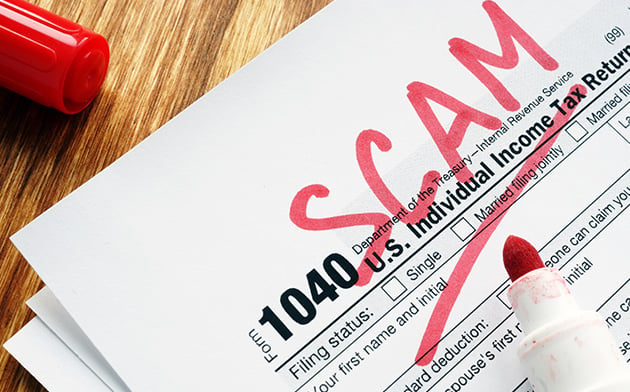 Every year, the IRS releases its Dirty Dozen list. Here’s a sampling of some of the usual suspects:
- IRS impersonation scams. In an attempt to steal sensitive information, criminals masquerading as Internal Revenue Service (IRS) employees reach out via phone, texts, emails, and social media with alarming language (such as threats of arrest, license suspension, or legal action). These messages may even include official-looking (IRS) branding and/or QR codes linking to fraudulent look‑alike sites.
- Phishing & smishing. Fraudulent notices claiming “refund delays” or “verification required” often lead to fake web portals designed to steal Social Security numbers (SSNs) and login credentials.
- Fake tax preparers & “tax resolution” scams. Scammers pose as tax professionals or government “mediation” agents to prepare tax returns, laying on the pressure for prepayment and/or sensitive information. They also refuse to sign the returns, which is a big red flag.
- Fake charities & misleading tax advice. Scammers create or impersonate charitable organizations to steal personal information or solicit fraudulent donations. Before donating to a charity, the IRS urges you to verify the organization’s tax‑exempt status.
- Early-season identity theft & fraudulent return filing. Even with the April 15 deadline mere weeks away, criminals still use stolen SSNs to submit fraudulent returns before legitimate taxpayers can file.
How to protect yourself
The best way to avoid tax-related scams is to scrutinize every phone call, text, email, or social media message purporting to be from the IRS. While there are rare cases where auditors or investigators may call after a letter has been sent to discuss an overdue tax bill, delinquent tax return, or delinquent employment tax payment, the IRS generally initiates first contact through mail delivered by the US Postal Service. Any communication related to taxes through other channels is extremely suspect.
It comes down to this: If you get contacted by what appears to be the IRS, follow these safety steps:
- Never click links within an unsolicited communication. Here are some tips on how to inspect links in emails and texts. Report a tax scam by forwarding the message to 7726 (SPAM).
- If you receive a suspicious IRS-related call, don’t give out any personal information, hang up, block the number, and consider reporting it to the IRS and the Federal Trade Commission (FTC).
- Verify your status independently. If you think you might owe taxes, call the IRS directly or check your account online at gov.
As tax season winds down, it’s important to keep your radar up. Some tax scams will linger well past the tax filing deadline in April. If you feel you’ve fallen victim and your account information may be compromised, contact your financial institution immediately. But armed with the info above and a healthy skepticism, you’ll stay steps ahead of these seasonal scammers.


